In the world of mineral exploration, using the right core drilling system is very important. Every project has different ground conditions and core size needs, and that’s where HQ, NQ, and PQ core drilling systems come in. These systems are widely used around the world for core sampling and exploration drilling. Each one has its own advantages and is designed for specific ground types and project goals.
If you are unsure which one to choose for your project, this guide will help you understand the differences, uses, and benefits of each system so you can make the right choice.
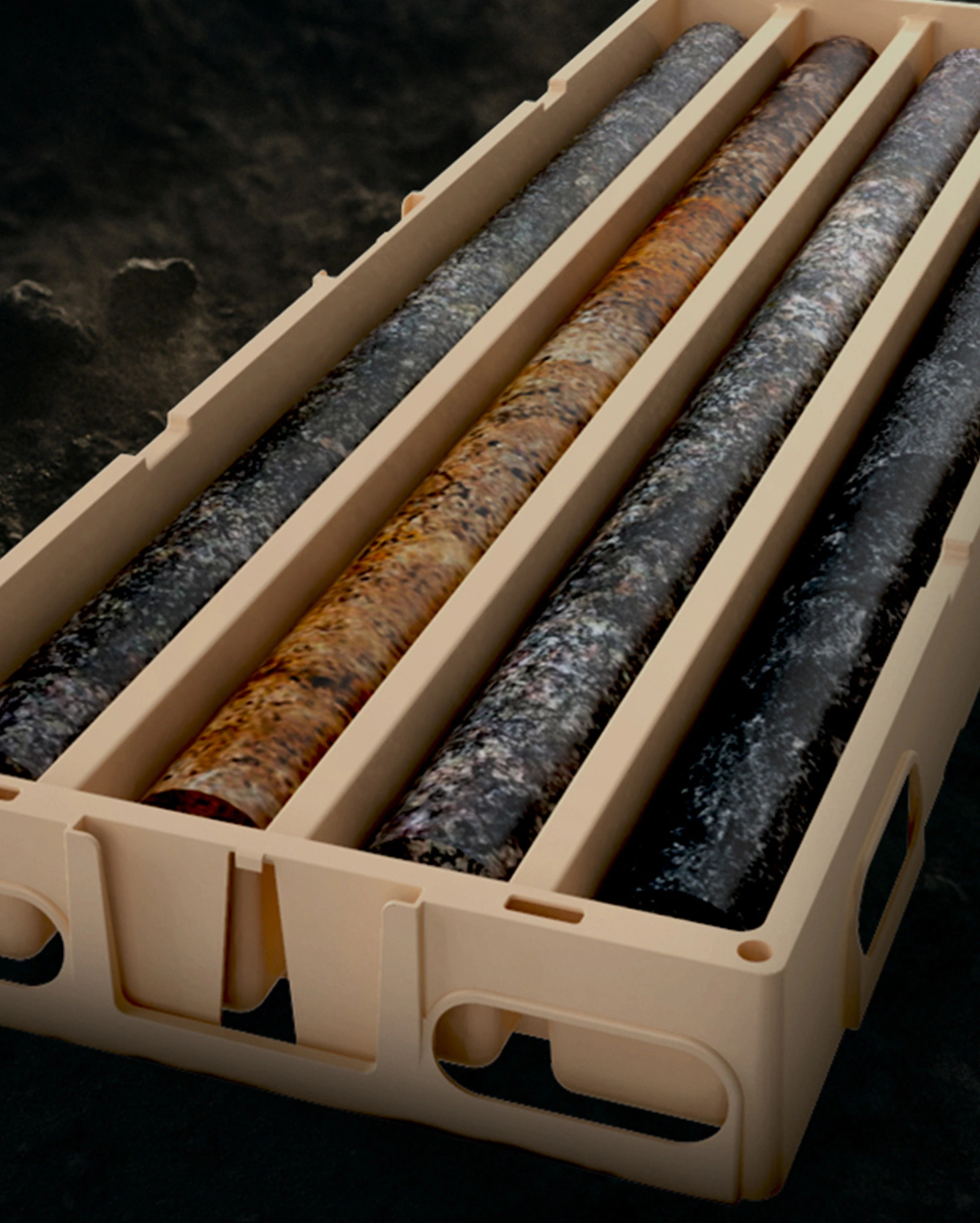
Core drilling is a method used to extract cylindrical samples (called cores) from the earth. These cores help geologists understand the type, structure, and mineral content of underground rock formations.
The size of these cores depends on the type of drilling system used. The most common systems are PQ, HQ, and NQ, which follow the standard wireline coring system developed for deep exploration drilling.
Each letter (P, H, N) represents a different size of core barrel and hole diameter.
The PQ system is the largest size among the three. It produces bigger core samples and is usually used in the initial stages of drilling or when strong and wide core samples are needed for testing.
Hole Diameter: around 122.6 mm
Core Diameter: around 85 mm
1. When you need larger core samples for detailed geological studies
2. In soft to medium-hard formations, where bigger holes help prevent collapse
3. During pre-feasibility or resource estimation stages, when large core data is needed
1. Provides stronger, larger cores that are easier to handle and study
2. Reduces the chances of hole blockage
3. Ideal for starting deep holes before switching to smaller sizes like HQ or NQ
The HQ system is a medium-sized system and one of the most commonly used standards in exploration. It gives a good balance between drilling speed, core recovery, and cost efficiency.
Hole Diameter: around 96 mm
Core Diameter: around 63.5 mm
1. When you need a balance of speed and core quality
2. In medium to hard formations
3. For deep drilling where large hole sizes are not necessary
1. Offers excellent core recovery in most ground types
2. Easier to handle and maintain compared to PQ
3. Ideal for longer, deeper exploration holes
The HQ system is often considered the standard choice for many exploration companies because it works well in most Indian geological conditions.
The NQ system is smaller in diameter and used mainly in deep drilling or when rock formations are very hard. It is also a good choice for reducing drilling costs in stable ground conditions.
Hole Diameter: around 75.7 mm
Core Diameter: around 47.6 mm
1. When drilling deep holes in hard rock
2. In stable formations where hole collapse is less likely
3. When budget and time are limited
1. Faster drilling speed due to smaller diameter
2. Lower operational costs
3. Good core recovery in hard and compact formations
FeaturePQHQNQ Core Diameter: 85 mm, 63.5 mm, 47.6 mm Hole Diameter: 122.6 mm, 96 mm, 75.7 mm Typical Use Initial stages, soft-medium formations Standard exploration, medium-hard formations Deep drilling, hard formations Core Recovery Very high to high-moderate drilling speed ModerateFastFastestCostHighModerateLow
Choosing between PQ, HQ, and NQ depends on three key factors:
1. Soft formations: PQ system
2. Medium-hard formations: HQ system
3. Hard formations: NQ system
1. Initial or testing phase: PQ
2. Regular exploration: HQ
3. Final deep drilling: NQ
1. If you need large, clear cores for study → PQ
2. If you need a good balance between speed and cost → HQ
3. If cost-saving and depth are priorities → NQ
In many projects, drillers start with PQ size, then move to HQ and finally to NQ as the hole goes deeper. This method saves time, reduces costs, and maintains the hole’s stability.
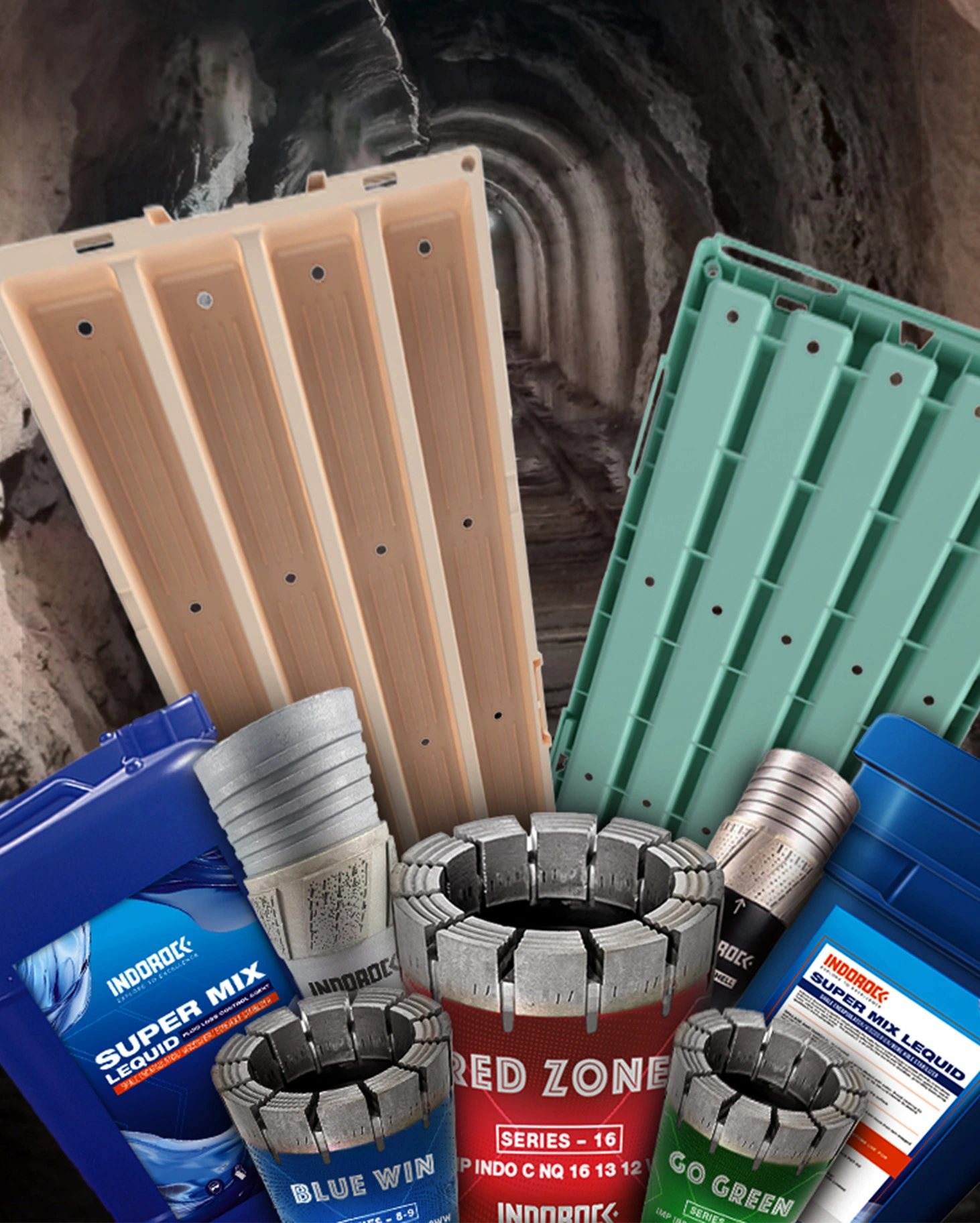
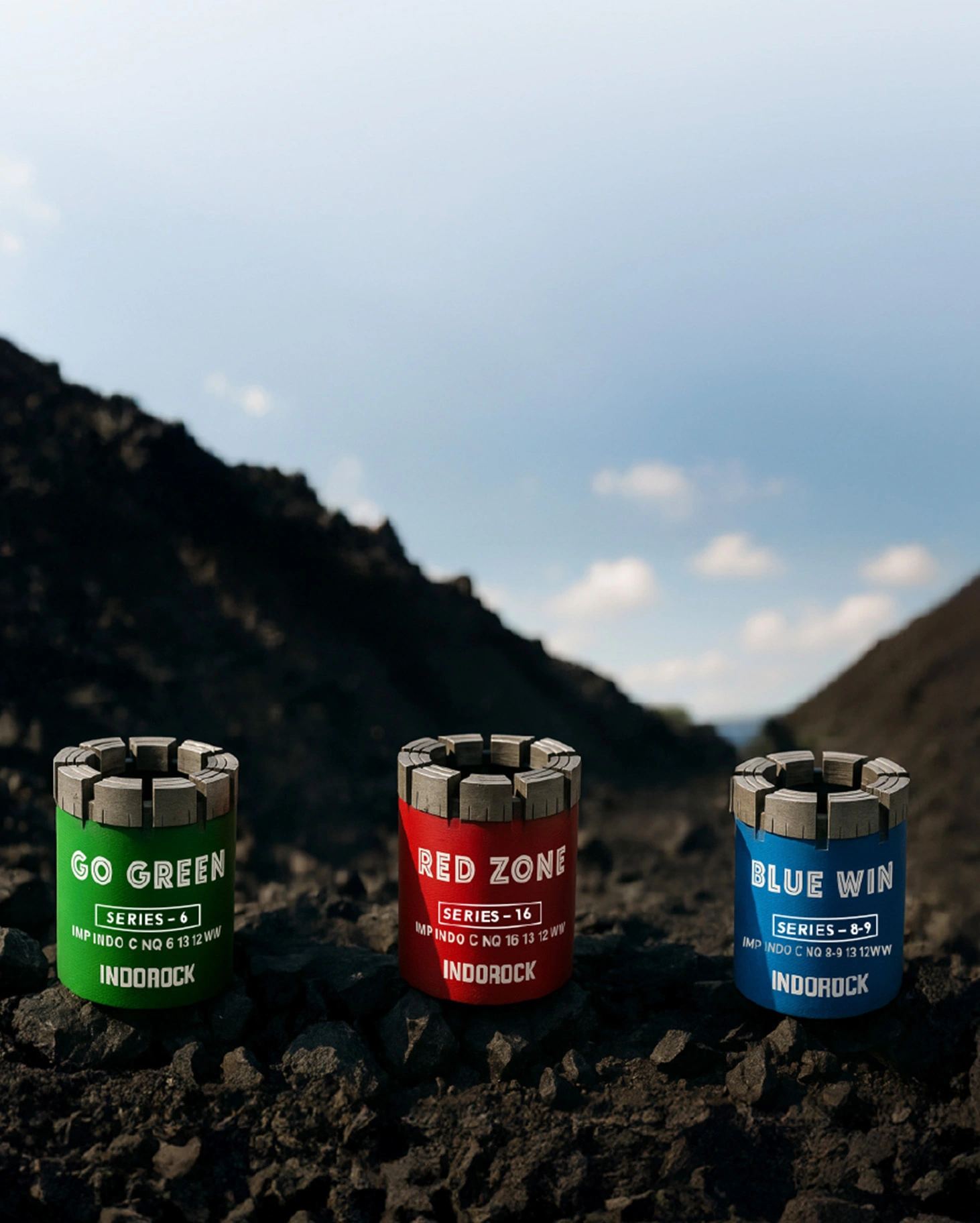
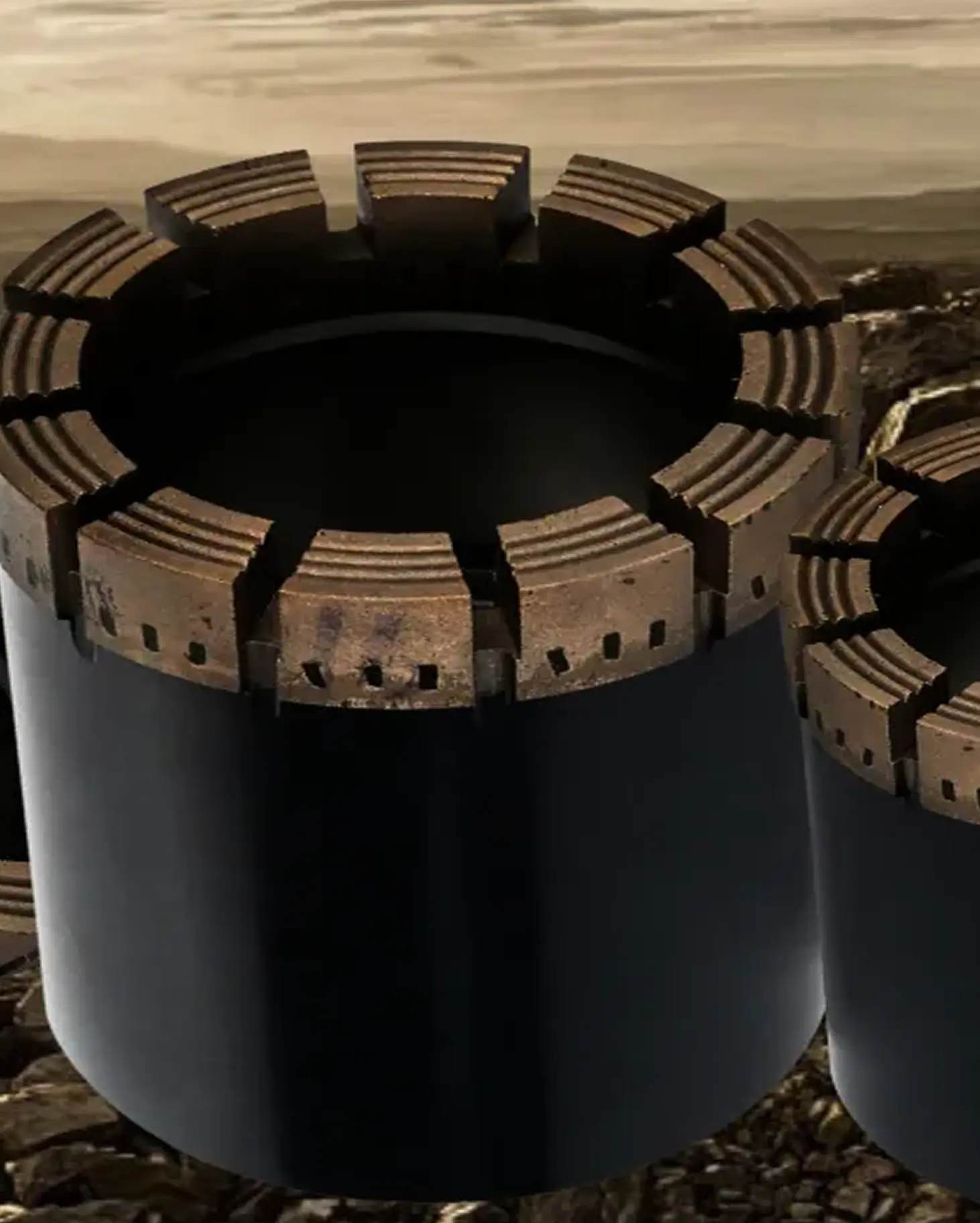
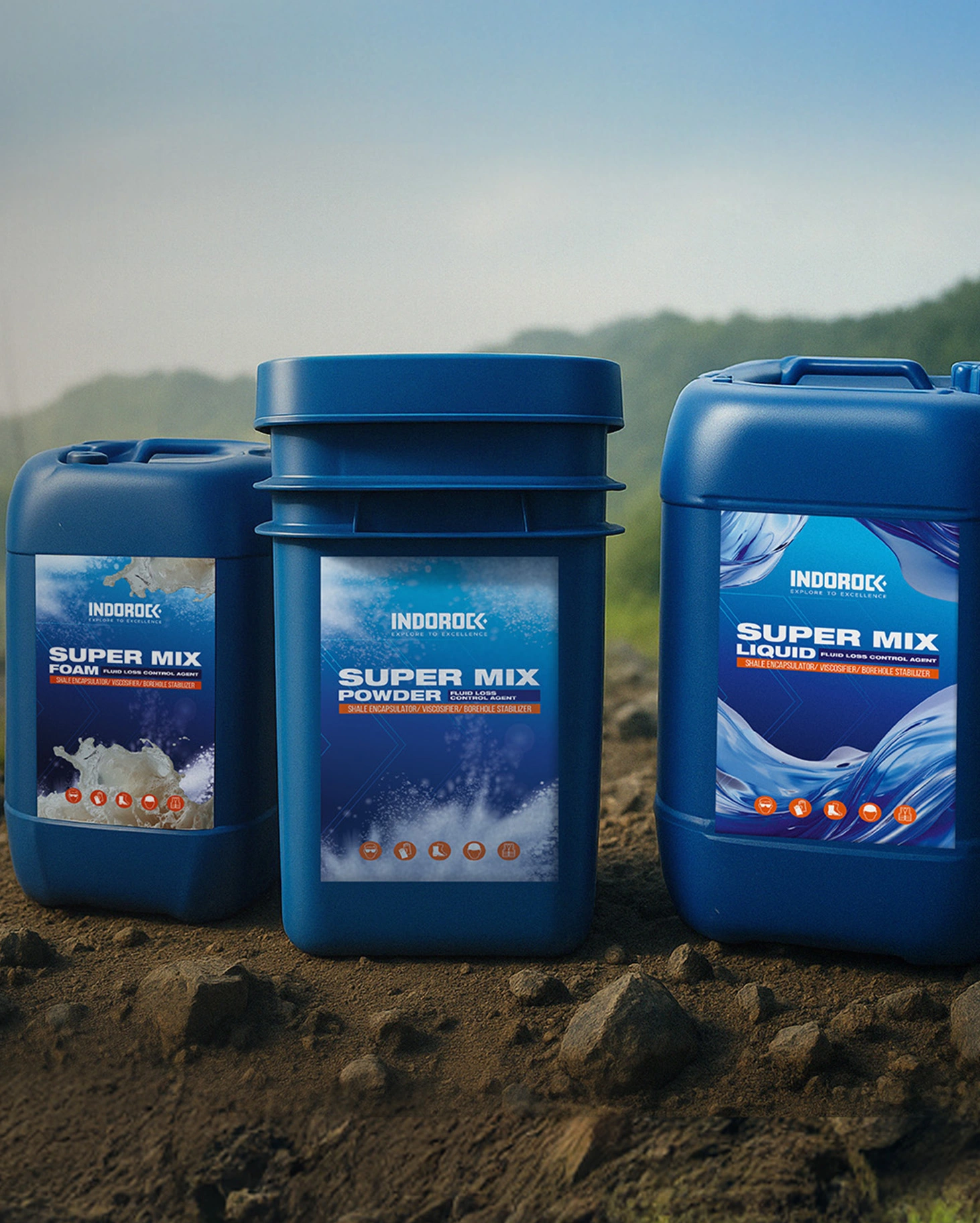
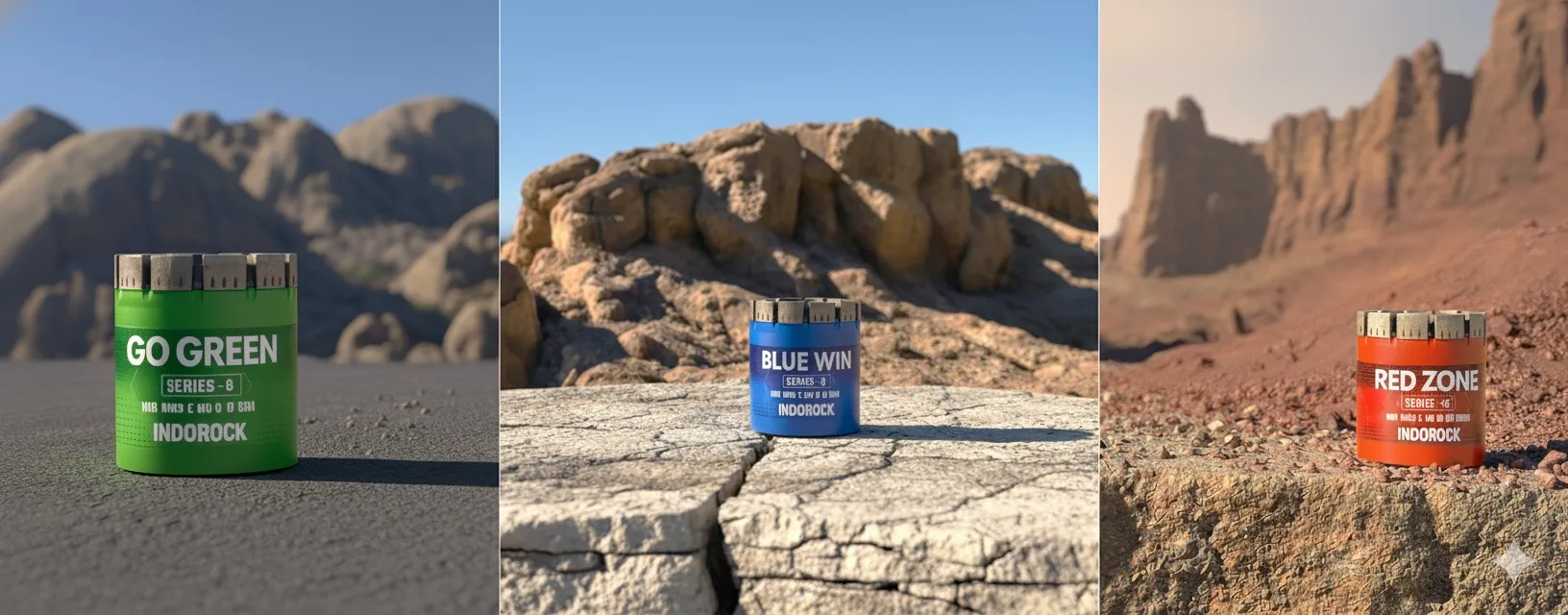
At IndoRock, every drilling tool is engineered for India’s tough geological conditions. Whether you use PQ, HQ, or NQ systems, IndoRock’s diamond core bits, core barrels, and drilling additives are designed to deliver better performance, longer life, and higher core recovery.
Our products are tested across varied terrains — from the rocky hills of Rajasthan to the mineral-rich grounds of Jharkhand. With precision-engineered consumables, you can trust IndoRock to keep your drilling efficient and reliable.
Choosing the right core drilling system is a key step toward a successful exploration project. The PQ system is perfect for wide cores and soft ground, the HQ system gives the best balance for most conditions, and the NQ system is ideal for deep and hard formations.
By understanding these systems and using IndoRock’s high-performance tools, you can improve efficiency, reduce downtime, and achieve better core recovery, no matter how challenging the ground is.